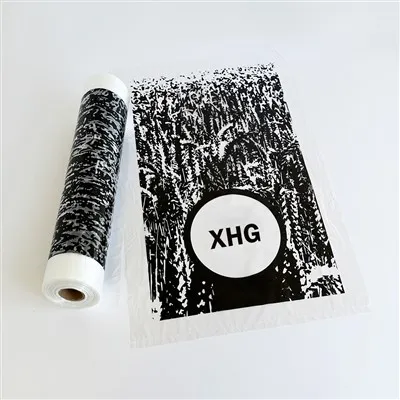
Although both industrial stretch film and food-grade cling film are plastic film products, they are obviously different in terms of material, use, performance, etc. The following is a specific comparison:
1. Material and safety
1.1 Industrial stretch film
The main material is made of low-density polyethylene (LDPE), but a large amount of industrial-grade additives (such as fillers, plasticizers, antioxidants, etc.) may be added, and some may use recycled materials. It cannot contact food.
1.2 Food-grade cling film
Food-grade PE, PVC or PVDC and other materials must be used, and additives must comply with national standards (such as GB 4806.7, etc.), and do not contain substances that are harmful to human health (such as plasticizer DEHP is restricted in PVC cling film). It can directly contact food, pass food safety tests (such as heavy metals, microorganisms, migration, etc.), and meet national food packaging hygiene standards.
2. Performance and Uses
2.1 Industrial Stretch Film
Stretchability: High tensile strength, elongation of 200%-500%, suitable for strong stretching and wrapping when wrapping heavy objects.
Thickness: Usually thicker (10-30μm), tough texture, strong puncture resistance, and can withstand the pressure of stacked goods.
Viscosity: The surface is self-adhesive through electrostatic treatment or gluing, which is convenient for bundling goods, but the viscosity may contain industrial-grade glue ingredients.
2.2 Food-grade cling film
Stretchability: Moderate stretching capacity (elongation of about 100%-300%), mainly used to cover containers or wrap food, without super strong pulling force.
Thickness: Thinner (5-20μm), soft texture, good fit, easy to tear and wrap food.
Viscosity: Mostly achieved through the electrostatic adsorption of the material itself (such as PE cling film), or using food-grade adhesives, mild viscosity, not easy to leave residue.
3. Core Uses
3.1 Industrial Stretch Film
3.2 Food-grade cling film

4. Production standards and supervision
4.1 Industrial stretch film
Implement industrial product standards (such as enterprise-defined standards or GB/T 19785 and other stretch film standards for packaging), focus on physical properties (such as tensile strength and elongation at break), and do not need to pass food contact material safety certification.
4.2 Food-grade cling film
Must comply with national food safety standards (such as GB 4806.7-2016 "National Food Safety Standard Food Contact Plastic Materials and Products"), the production process must be carried out in a clean environment, and must pass health permits and third-party testing (such as migration tests, sensory tests, etc.).
5. Appearance and logo
5.1 Industrial stretch film
Logo: Usually marked with warnings such as "industrial use" and "no contact with food", no food-related certification marks.
5.2 Food-grade cling film
Logo: Must be marked with "food use" and "direct contact with food", and printed with QS/SC certification mark, implementation standard number (such as GB 10457), manufacturer information, etc.
6 How to identify?
Material feel: Industrial film is usually thicker and harder, while food film is thinner and more flexible, and some have easy-tear line designs.